Quiet Peaks, Full Wallets: Why the Off-Season Is the Best-Kept Secret in Mountain Travel
There's a version of mountain travel that most people never get to experience. No gridlocked parking lots at the trailhead. No waiting forty-five minutes for a table at the one good diner in town. No competing with a hundred other visitors for the same overlook photo. That version exists — you just have to show up at the right time.
Fall and winter in small mountain communities across the American West are genuinely underrated. And if you've been planning your trips around summer calendars and holiday weekends, you might be missing out on some of the most rewarding travel experiences the region has to offer.
The Price Difference Is Real — And It's Significant
Let's start with the practical stuff, because it matters. Lodging rates in small mountain towns can drop anywhere from 20 to 50 percent between peak summer months and the shoulder seasons of late fall and early winter. That's not a rounding error — that's the difference between stretching a weekend trip into a full week, or upgrading from a tent to an actual bed.
Budget-conscious travelers who plan their mountain getaways around late October through early December, or again in February before spring break crowds arrive, consistently find better availability and better pricing. At a place like Village Motel MT, that kind of flexibility means you're not just saving money — you're getting more room to breathe, more time to actually enjoy where you are.
Beyond lodging, dining and activities tend to follow the same pattern. Local restaurants aren't running on a two-hour wait. Guided tours and outfitters have open slots. Even gas and groceries can feel less inflated when the tourist economy isn't running at full throttle.
What the Crowds Are Missing
Here's something peak-season visitors rarely get to experience: the actual personality of a small mountain town.
When tourism slows down, local life takes over. The coffee shop fills up with the same faces every morning. The hardware store owner knows everyone who walks in. The bartender at the local tavern has stories about the valley going back three generations. That texture — the real, lived-in character of a place — gets buried under the summer rush. But in the off-season, it surfaces naturally.
"Honestly, the guests who come in October or February are the ones who actually get to know us," said one innkeeper at a small motel in western Montana who's been running her property for over a decade. "They're not in a hurry. They sit on the porch. They ask about the town. Those are the folks who come back year after year."
That kind of connection is hard to put a price on — but it's also exactly what makes a trip memorable rather than just checked off a list.
Fall: Color, Crisp Air, and Almost No Competition
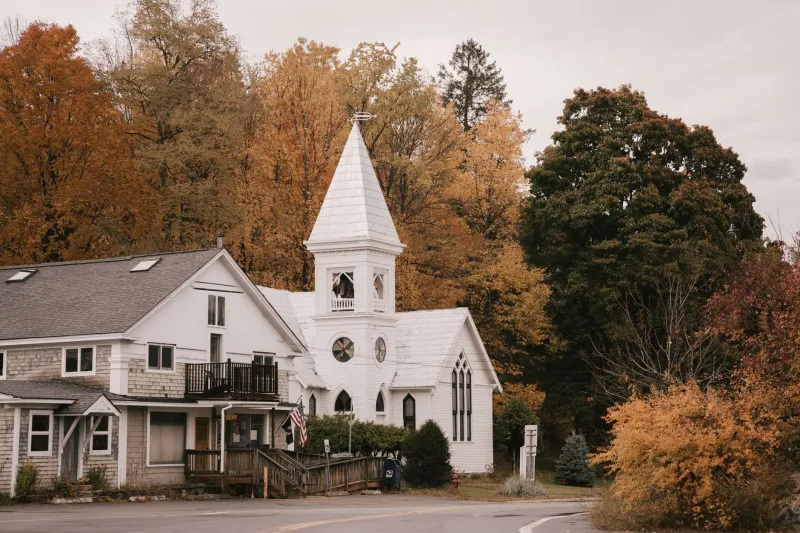
If you've never driven through a mountain valley in mid-October, put it on your list immediately. The aspen groves go gold. The cottonwoods along creek beds turn a deep, almost glowing yellow. The air has that clean, cold edge that makes hiking feel effortless.
Fall hiking in the Rockies and the ranges of Montana is genuinely spectacular, and the trails are a fraction as crowded as they are in July. Wildlife is also more active and more visible — elk are in rut, deer are moving, and bears are in their pre-hibernation feeding phase (which means you should still be bear-aware, but sightings become more common).
Fall also lines up with harvest season in many rural communities, which means farm stands, local markets, and occasional harvest festivals that feel nothing like the manufactured tourist events of summer. These are events put on by and for the people who actually live there, and visitors who wander in often describe them as highlights of their entire trip.
Winter: More Than Just Ski Season
Winter travel in mountain towns gets framed almost entirely around skiing, but that's a narrow view. Cross-country skiing, snowshoeing, ice fishing, and fat-tire biking have all grown significantly in popularity, and smaller communities that don't have a major ski resort attached to them offer these activities without the resort price tag.
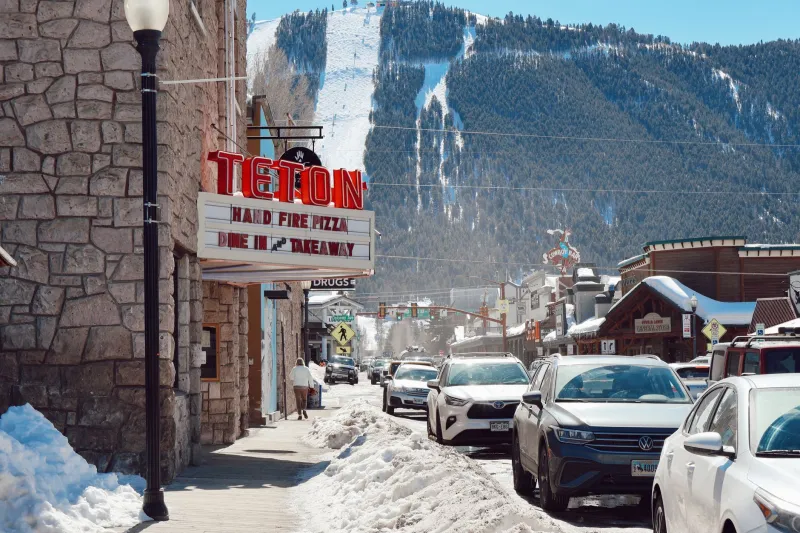
There's also something genuinely cozy about a small mountain town in winter that's hard to replicate anywhere else. Snow-covered main streets. Wood smoke curling from chimneys. A hot bowl of soup at a diner where the cook comes out to ask how your day went. It sounds almost cinematic, but it's just Tuesday in a lot of these places.
"Winter is when we feel most like ourselves," said a longtime resident and bed-and-breakfast operator in a small community near the Montana-Idaho border. "The people who come out here in January aren't looking for a resort. They want the real thing. And we've got plenty of that."
For travelers who find ski resort towns a bit too polished, a bit too expensive, and a bit too crowded even in winter, smaller mountain communities offer a genuinely different experience — one that's rooted in place rather than amenity.
Practical Tips for Planning an Off-Season Mountain Trip
If you're sold on the idea but not sure where to start, here are a few things worth keeping in mind:
- Call ahead. Some smaller lodging properties and restaurants adjust their hours or close certain days during the off-season. A quick phone call confirms what's open and often leads to a conversation that helps you plan better.
- Layer up, then layer up again. Mountain weather in fall and winter changes fast. Even if the forecast looks mild, pack for cold.
- Check road conditions. Some mountain passes and forest roads close seasonally or become weather-dependent. State DOT websites are your friend here.
- Be flexible. Off-season travel rewards spontaneity. If a local tells you about a trail or a view or a diner two towns over, go. You've got the time.
- Book early enough to get your first choice, but not so early you lose flexibility. Most smaller properties don't fill up weeks in advance during the off-season, but a little lead time still helps.
The Bottom Line
Mountain travel doesn't have to mean fighting for parking spots and paying peak-season prices for a crowded experience. Fall and winter in small mountain communities offer something genuinely different — lower costs, quieter landscapes, and the kind of authentic local connection that summer tourism often crowds out.
If you've been waiting for the right time to explore a place like rural Montana, the off-season isn't a compromise. It might just be the best version of the trip.