After Midnight at the Front Desk: The Unsung World of the Motel Night Shift
Most people experience a motel in daylight. They pull in off the highway, grab a key, maybe wave at whoever's behind the desk, and go about their evening. By ten o'clock, they're horizontal. By eleven, they're gone to the world.
But the motel isn't.
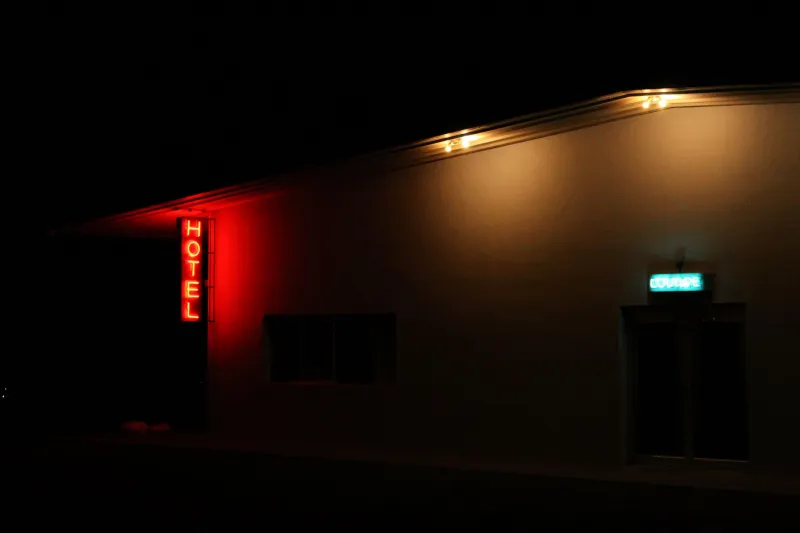
Somewhere between 11 PM and the first gray light of morning, a whole other layer of small-town hospitality quietly takes over. The lobby dims. The parking lot empties. And the night auditor — or the owner's spouse, or the maintenance guy who doubles as everything — settles in for a shift that most guests will never think about, let alone appreciate.
This is that story.
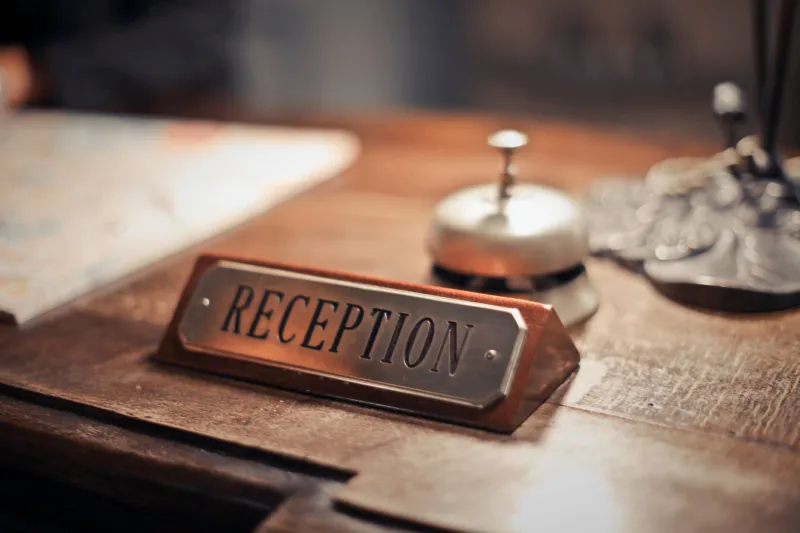
The Person Behind the Desk at 2 AM
At a small motel tucked into a Montana mountain town, the night auditor's job doesn't look much like what the title suggests. Sure, there are receipts to reconcile and occupancy logs to update. But that's maybe an hour of the shift. The rest of it? That's harder to categorize.
"You're part accountant, part therapist, part handyman, and part just... someone who's awake," says one long-time night staffer at a family-run property in a small western community. "People show up at 1 AM and they need something. Sometimes it's an extra blanket. Sometimes it's just someone to talk to for five minutes."
That last part comes up a lot when you talk to people who work these hours. The unexpected intimacy of it. A solo traveler who's been driving since Denver. A couple who had a blowout argument somewhere outside of Billings and pulled off the highway just to breathe. A trucker who needs to be back on the road by 4 but can't sleep and wants coffee and conversation.
The night shift sees all of it.
Keeping the Lights On — Literally
Beyond the human side of things, there's the mechanical reality of running a building around the clock. Pipes don't wait for business hours. Neither do circuit breakers, ice machines, or the ancient boiler in the basement that kicks on with a sound like a freight train every time the temperature drops below twenty.
"We had a water heater go out on a Thursday night in February," recalls a motel manager from a small town near a popular ski corridor. "I'm on the phone with a plumber at midnight, trying to explain where the shutoff valve is, while I've got twelve rooms of guests who are going to want hot showers in about six hours."
They figured it out. They always figure it out. That's the thing about small-town motel operations — there's no corporate maintenance hotline, no regional facilities manager to call. There's just the person on duty and whatever they know how to do.
For budget travelers, this is actually a feature, not a bug. The people keeping these properties running overnight are deeply invested in the outcome. It's their name on the sign, or their boss's, or their neighbor's. When something breaks at 3 AM, the response isn't a ticket submitted to a help desk — it's a flashlight, a toolbox, and someone who genuinely doesn't want you to wake up uncomfortable.
The Guests Who Only Exist After Dark
Ask any night staffer about the most memorable guests and they'll tell you: the interesting ones almost always arrive late.
There's the traveling nurse making a pitstop between assignments. The retired couple doing a slow lap of the country with no itinerary and no hurry. The young guy who drove straight through from the Pacific coast and looks like he hasn't slept in two days. The family that missed their connection and just needs somewhere safe and affordable to land until morning.
"Late-night guests are different," says one front desk worker who's been doing nights for going on four years. "They're not in vacation mode. They're in survival mode, kind of. They're tired, they're relieved to find a vacancy, and they're just grateful. Those are some of the nicest interactions I have."
There's a vulnerability to arriving somewhere after midnight. You've already burned through your patience reserves. The defenses are down. And when the person behind the desk is calm, warm, and actually glad to see you — even at 1:30 in the morning — it lands differently than it would at noon.
Some of the most genuine moments in budget travel happen in exactly that window.
What the Quiet Hours Actually Sound Like
Between the late arrivals and the early risers, there's usually a stretch — maybe 3 to 5 AM — where almost nothing happens. The parking lot is full and still. The ice machine hums. Somewhere down the hall, someone's TV is on low.
Night staffers describe this stretch in different ways. Some find it peaceful, a rare pocket of stillness in an otherwise loud world. Others use the time to read, study, work on side projects. A few admit it can feel isolating, especially in the deep of winter when the temperature outside is single digits and the nearest open business is forty miles down the road.
"There's a reason not everyone can do this job," one veteran night auditor says simply. "You have to be okay with your own company."
But there's something almost meditative about it, too — being the one awake person in a building full of sleeping strangers, each of them trusting that the place will hold, that the heat will stay on, that the door will lock, that someone is paying attention. It's a quiet kind of responsibility.
Why This Work Matters to Budget Travelers
Here's the thing that's easy to miss when you're booking a $79 room online and just hoping the Wi-Fi works: affordable lodging doesn't run itself.
The reason small-town motels can offer rates that big resort properties can't — or won't — is partly because of people like the ones described above. Staff who wear multiple hats. Owners who sleep light. Night auditors who know how to reset the breaker on the exterior sign and also make a decent pot of coffee at 4 AM.
There's an entire ecosystem of unglamorous, essential labor that makes a budget stay possible. And most of it happens while you're asleep.
Next time you check in somewhere modest and find that your room is ready, the hallway is clean, and there's actually someone at the desk when you arrive at midnight — take a second. That didn't happen by accident.
Somebody stayed up for it.
A Different Way to See the Places You Stop
If you really want to understand a small mountain town, don't just walk the main street at noon. Pay attention to who's on duty when everyone else has turned in. The night shift at a local motel is a window into something real — the labor, the loyalty, and the low-key heroism that keeps rural hospitality alive and accessible.
Budget travel has always depended on people who show up and do the work, regardless of the hour. That's as true in a tiny Montana town as it is anywhere else.
The neon sign stays on all night for a reason. Someone's making sure of it.