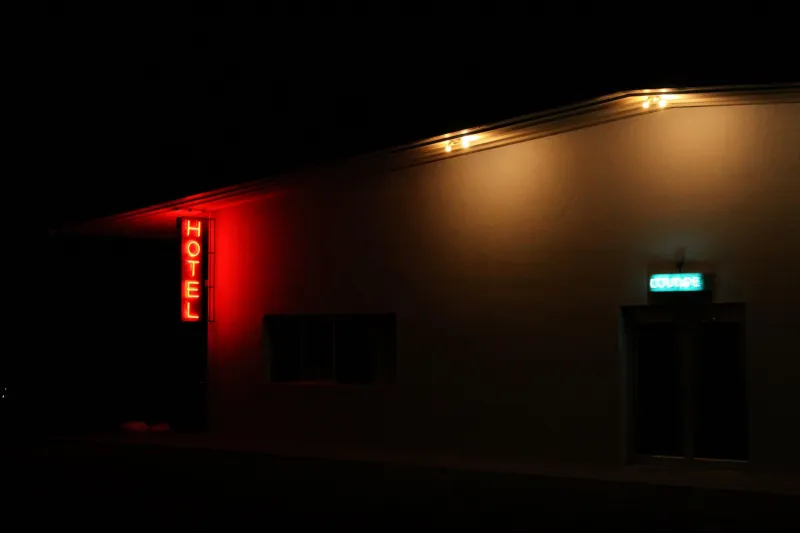
Room 7, No Questions Asked: The Quiet Role Small-Town Motels Play When Life Falls Apart
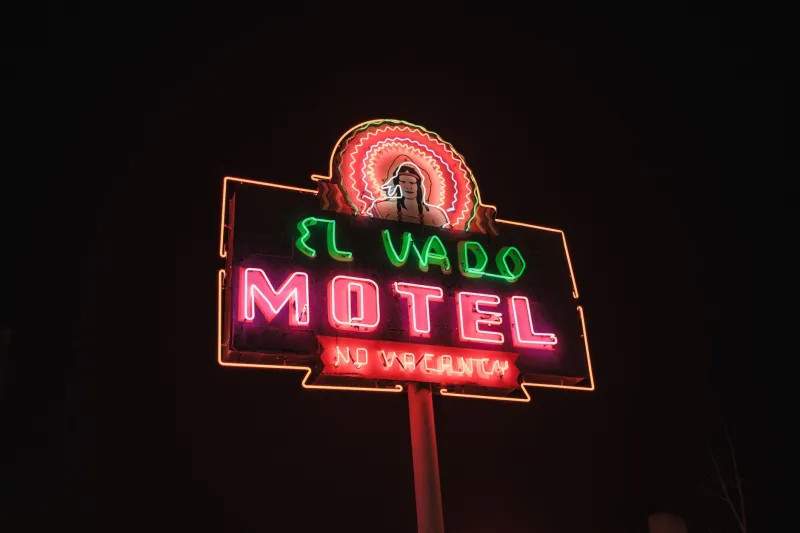
The sign out front says VACANCY. It doesn't ask why you need a room. It doesn't require a credit check or a lease application or a reference from a previous landlord. It asks for a name — sometimes not even that — and a form of payment, and then it hands you a key.
For most travelers, that simplicity is just convenient. For some people, on some nights, it is everything.
Across rural America, budget motels in small towns are serving a function that rarely appears in their marketing materials and almost never comes up in travel journalism: they are informal emergency shelters, transitional housing, and quiet sanctuaries for people in crisis. The people who run these properties — often families, often operating on thin margins in economically stressed communities — have become, without any training or formal designation, something close to frontline social workers.
The Door That Opens Without a Waiting List
The formal systems designed to help people in crisis — domestic violence shelters, emergency housing programs, transitional facilities — do important work. They also have waitlists, intake processes, eligibility requirements, and geographic limitations that leave gaps. In rural areas, those gaps are especially wide.
A domestic violence shelter in a rural Montana county might be an hour away. An emergency housing program might have a three-week wait. A family fleeing a dangerous situation at midnight doesn't have three weeks. They have tonight.
This is where the motel comes in.
Linda, who has managed a 16-room motel in a small mountain community for over a decade, says she's lost count of the number of times someone has shown up at her front desk in circumstances that had nothing to do with tourism. "Women with kids, sometimes with nothing but a trash bag of clothes. Men who just got laid off and are sleeping in their truck until they figure out the next step. People who just need somewhere safe to be for a few days."
She doesn't advertise this. She doesn't have a formal policy. She just reads the situation and does what she can. "Sometimes I give them the room at cost. Sometimes I call someone I know at the county who might be able to help. Mostly I just make sure they have a clean room and leave them alone."
What $45 Actually Buys
It's worth being specific about what a budget motel room provides to someone in crisis, because the list is not trivial.
A lockable door. This alone is significant for someone leaving a dangerous home environment. A private bathroom. A bed. Heat. The ability to be invisible — to not be seen by anyone who might report back, judge, or interfere. The capacity to sleep without one eye open.
For families experiencing homelessness who have been living in cars, a motel room provides children with a place to do homework, a shower before school, and an address — however temporary — that allows them to stay enrolled in the local school district under McKinney-Vento provisions.
For someone who just lost a job and is trying to sort through next steps, a motel room provides a mailing address, a phone charging outlet, and the psychological stability of a private space in which to make calls and think clearly.
None of these things sound glamorous. All of them are genuinely life-altering in the right circumstances.
The Weight That Falls on the Front Desk
The motel owners and managers who navigate these situations do so without compensation, without training, and often without acknowledgment. The emotional weight is real.
Tom has run a small motel in a rural western community for fifteen years. He's called 911 for medical emergencies, helped guests contact domestic violence hotlines, quietly extended credit to guests he knew were in trouble, and once — he says this carefully — intervened in a situation that he believes would have ended badly if he hadn't been paying attention.
"Nobody tells you this is part of the job," he says. "But once you've been doing it long enough, you start to see it as part of the job. These are people. They're in your building. You're responsible for them."
He's also clear-eyed about the limits. "I'm not a counselor. I'm not a social worker. I can give someone a room and a phone number and some basic human decency. That's what I can do."
The strain of that role — and the lack of any support system for motel owners who regularly handle these situations — is a gap that rural social service organizations are only beginning to recognize. Some counties have started building informal networks that include motel owners as community contact points, providing them with resource cards and basic training in trauma-informed communication. It's a start.
Dignity in a Simple Room
There's a tendency, in conversations about poverty and crisis, to focus on what people lack. What's striking about the motel as a refuge is what it offers — specifically, dignity.
No intake form asks you to describe your trauma. No caseworker evaluates your eligibility. No curfew, no communal sleeping area, no requirement to participate in programming. You are a guest. You have a room. The assumption built into the transaction is that you are a person who deserves a place to sleep, full stop.
That assumption — basic, transactional, non-judgmental — turns out to matter enormously to people who are moving through some of the hardest moments of their lives.
For the small-town motels that have quietly absorbed this role, there's no award ceremony and no extra revenue. There's just the work, done in the way it's always been done: one room, one night, one person at a time.
The vacancy sign stays on. And for some people, that light in the dark is the most important thing on the road.