Checked In, Clued In: The Small-Town Motel Owners Who Are Keeping Local History Alive
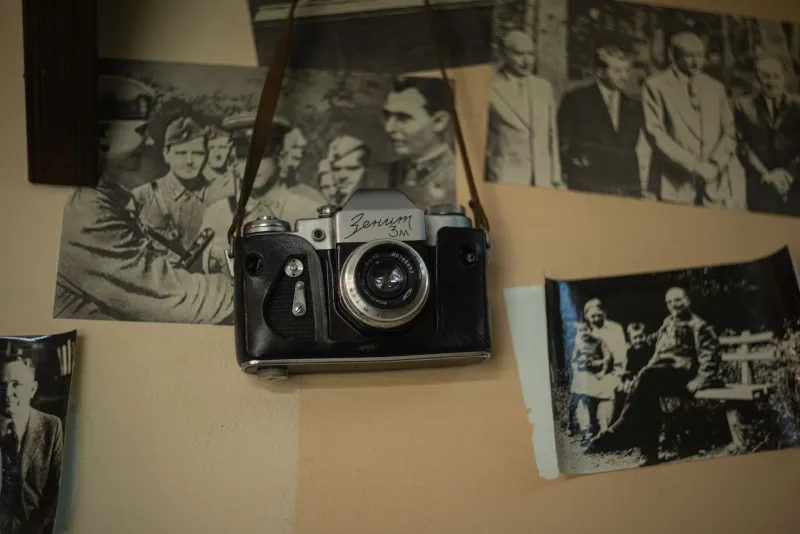
There's a framed photograph above the ice machine at a small motel in central Montana. It shows a main street that no longer exists — storefronts gone, the barbershop replaced by a parking lot, the diner swapped out for a cell tower. Most guests walk past it without a second glance. But ask the woman at the front desk about it, and you'd better have twenty minutes to spare.
That's the thing about small-town motel owners. A lot of them know things. Deep, specific, weird, wonderful things about the places they've chosen to stay put in. And increasingly, they're turning that knowledge — and the physical spaces they run — into something that goes way beyond a place to sleep.
The Lobby as Living Archive
Walk into a chain hotel and you'll find a rack of tourist brochures and maybe a basket of stale mints. Walk into the right independently owned motel in rural America, and you might find a hand-painted timeline of the town's founding, a glass case full of arrowheads pulled from a nearby creek, or a guest register dating back to 1962 that the owner lets curious travelers flip through.
This isn't an accident. Many of the people who run small roadside and mountain motels have deep roots in their communities. They grew up here, or they moved here decades ago and never left, or they inherited the property from a parent or grandparent who built it from scratch. The motel isn't just a business — it's a family project, a community anchor, and sometimes a personal obsession.
In towns where the local historical society is underfunded, the library has limited hours, and the newspaper folded years ago, the motel lobby has quietly stepped in as an informal gathering point for community memory.
More Than Decoration: When Artifacts Tell the Story
Some motel owners take the preservation angle pretty seriously. Think guest rooms themed around local industries — mining, ranching, logging, the railroad — with actual tools and photographs mounted on the walls alongside QR codes linking to oral history recordings. Think hand-lettered cards explaining what you're looking at and why it mattered.
One owner in a small Wyoming town spent years collecting old postcards of the region from eBay and estate sales, eventually papering an entire hallway with them and arranging them chronologically. Guests who walk that hallway on the way to their room get a visual century of change without even trying.
Another operator in a fading copper-mining community in Montana partnered with a retired schoolteacher to create a small printed guide — left in every room alongside the TV remote — that tells the story of the town's boom and bust years. It's not a polished production. It's four photocopied pages, stapled in the corner. But travelers consistently mention it in their reviews as one of the most memorable parts of their stay.
Why Travelers Are Responding
There's a real hunger for this kind of thing right now. After years of algorithm-driven travel — the same Instagrammable spots, the same curated experiences, the same hotel lobbies designed to look like everywhere and nowhere at once — a lot of people are actively seeking out the specific. The local. The stuff that can't be replicated somewhere else.
A motel that feels genuinely rooted in its place scratches that itch in a way that a boutique hotel with shiplap walls and a locally sourced cocktail menu simply doesn't. The difference is authenticity that wasn't designed. It just grew.
Budget travelers, in particular, tend to be more open to this kind of serendipitous discovery. When you're not paying for a curated experience, you're more likely to actually have one.
Local Partnerships That Go Beyond the Brochure Rack
The motel-as-history-hub phenomenon doesn't stop at the property line. Some operators have built genuine relationships with local historians, tribal cultural centers, ranching families, and longtime residents to bring their guests into deeper contact with the community.
This might look like a weekly "porch talk" where a local elder comes by to share stories. It might be a map the owner hand-drew of old homestead sites within driving distance, with notes about what you'll find and who to ask about access. It might be as simple as a standing arrangement with the woman down the road who's been collecting regional cookbooks for forty years and is happy to have coffee with guests who are interested.
These aren't formal programs. They're relationships. And that's exactly what makes them valuable.
How to Find These Stays
You won't always find them through a standard booking search. The motel owners doing this kind of work aren't always the best at marketing themselves online. Here's how to track them down:
- Read the reviews carefully. Look for mentions of the owner personally sharing stories, unusual décor, or in-room materials that go beyond the standard. Phrases like "the owner told us about" or "we learned so much" are good signals.
- Look for longevity. A motel that's been family-owned for multiple generations is more likely to have deep community ties than one that changed hands recently.
- Call ahead. Seriously. Call the motel and ask if they have any local history materials or if the owner is knowledgeable about the area. The response — and the enthusiasm behind it — will tell you a lot.
- Go smaller. The smaller the town, the more likely the motel is the social center of things. In a town of 800 people, the motel owner knows everyone.
The Bigger Picture
There's something quietly important happening in these roadside lobbies and paneled guest rooms. As rural communities continue to lose institutions — the hardware store, the diner, the local paper — the motel sometimes becomes one of the last places where community memory is actively tended.
The people doing this work aren't academics or archivists. They're just folks who love where they live and want the people passing through to understand it a little better. That's not a small thing.
Next time you check in somewhere, take a look around before you head to your room. Ask a question or two. You might be surprised what's waiting behind the front desk.