Snow Season, Your Season: Why Solo Travelers Are Finding Their People in Mountain Town Motels
Let's be honest about what winter travel looks like for a lot of solo travelers right now. You book something affordable, you show up somewhere that was supposed to be "undiscovered," and you find three hundred other people who read the same article you did. The coffee shop has a line. The trail has a crowd. The whole thing feels less like escape and more like a relocated version of your regular life, but colder.
Something different is happening in small mountain towns, though. And the people who've figured it out are not exactly rushing to share the secret.
The Quiet That Actually Delivers
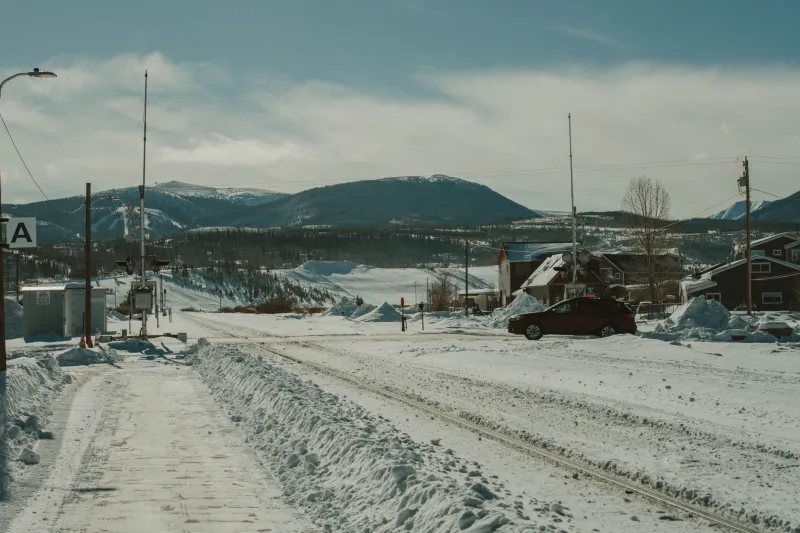
There's a version of "quiet" that gets sold in travel marketing — a hot tub on a deck, some pine trees, a staged mug of cocoa — and then there's the real thing. The real thing is a Tuesday morning in a Montana or Wyoming town of twelve hundred people where the snow is coming down sideways and the diner has four customers and the guy behind the counter asks how you're doing like he actually wants to know.
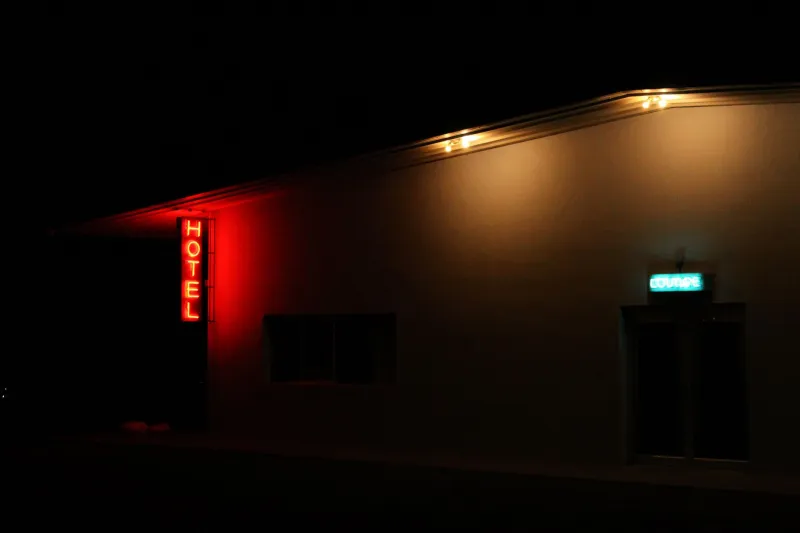
That's what solo travelers are increasingly seeking out, and small-town motels in mountain communities are where they're finding it. Not because these places have been rebranded or renovated for the wellness crowd, but because they've just kept being what they always were: affordable, unpretentious, and genuinely connected to the place they sit in.
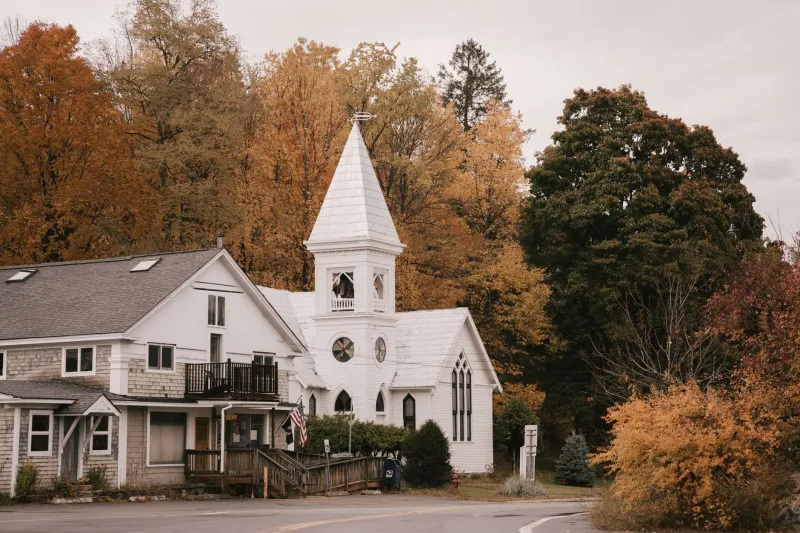
Winter strips away the seasonal traffic that can make even charming small towns feel overwhelmed. What's left is the actual community — the year-rounders, the regulars, the people who chose this place and stayed.
Solo Travel Is Changing, and the Data Backs It Up
Solo travel has been growing steadily for years, but the patterns shifted noticeably after the pandemic reshuffled how people think about crowds, cities, and the purpose of getting away. According to travel industry surveys, solo bookings have risen sharply, with budget accommodations — including independent motels — seeing some of the strongest growth among single-occupancy stays.
Winter months, traditionally considered off-peak for everything except ski resorts, are increasingly popular with solo travelers specifically because prices drop and the social texture of small towns changes. Locals have more time. Conversations happen more naturally. The barriers between visitor and community get a lot lower when neither of you is fighting for a parking spot or waiting in a forty-minute brunch line.
For solo travelers on a budget, a small-town motel in January or February can cost a fraction of what a comparable room runs in summer — sometimes less than sixty dollars a night — while offering something that no peak-season rate can buy: actual access to the place.
The Motel as Base Camp for Something Real
Here's a thing that doesn't get said enough about budget motel stays in small mountain towns: the motel itself is often a social hub in ways that fancier properties aren't. The parking lot conversation. The shared coffee station in the morning. The owner who mentions that the guy in room seven is also a writer and maybe you'd have things to talk about.
Solo travelers consistently report that some of their most meaningful travel connections happen not at organized events or guided experiences, but in the incidental spaces of modest accommodations. There's less performance involved when nobody's trying to impress anyone.
This is especially true in winter. When the temperature drops and the options for entertainment narrow, people talk to each other. It sounds almost too simple, but that's kind of the point.
Creative Retreats Without the Retreat Price Tag
A growing subset of winter solo travelers aren't just looking to decompress — they're coming to work. Writers, painters, photographers, remote employees who want a change of scenery without the distraction of a city: these travelers are discovering that a clean, quiet motel room in a mountain town is a remarkably productive place to be.
You don't need a curated artist residency (though those exist and have their place). Sometimes you just need a room with a desk, reliable Wi-Fi, a window with a view of something other than another building, and a short walk to a diner where you can eat breakfast for nine dollars and nobody's going to ask you to move so they can set up for a private event.
Small mountain towns in winter offer all of that. The pace is slower by necessity. The light is different. The absence of ambient noise — social, digital, physical — creates space that a lot of creative people find genuinely hard to replicate anywhere else.
What to Actually Look For
If you're a solo traveler thinking about trying this out, here are a few things worth keeping in mind:
- Prioritize towns with a functioning local economy. A town with a year-round diner, a hardware store, and a gas station is one where locals live and gather. That's what you want access to.
- Book directly with the motel when you can. Owners who take direct bookings often have more flexibility and more interest in making your stay work. They'll also tell you things no booking platform will — which nights are quieter, where the good walks are, who to talk to at the bar on Friday.
- Go mid-week if your schedule allows. Even in winter, weekends in mountain towns can draw regional visitors. Arriving Tuesday and leaving Thursday puts you in the deepest quiet.
- Pack for the weather, not the aesthetic. This isn't the trip for cute boots. Dress practically and you'll spend more time actually outside, which is where the good stuff happens.
- Give it a few days. Solo travel in small towns takes a day to settle into. The first day you might feel the absence of stimulation. By the second, you'll probably start to feel the point.
The Antidote to Overtourism Is Underrated Places
There's a version of travel that's been optimized to death — ranked, reviewed, filtered, and fed back to us as content. Small-town winter travel is almost the opposite of that. It's slow, it's specific, it's a little unpredictable, and it rewards patience in ways that a weekend trip to a trending destination almost never does.
For solo travelers especially, that trade-off is increasingly worth making. The mountain towns are there. The motels are open. The coffee is hot and the owner probably knows a good story or two.
You just have to show up.