Bootstrapped at Altitude: How Entrepreneurs Are Launching Real Businesses From Mountain Motel Rooms
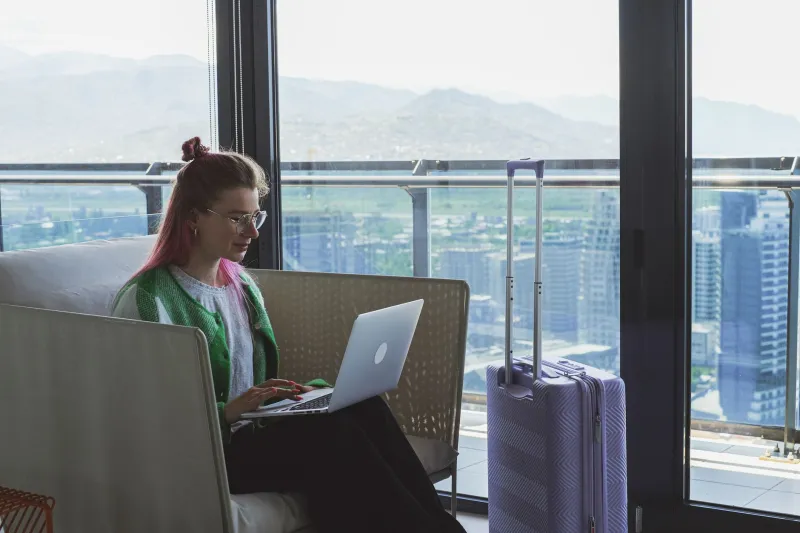
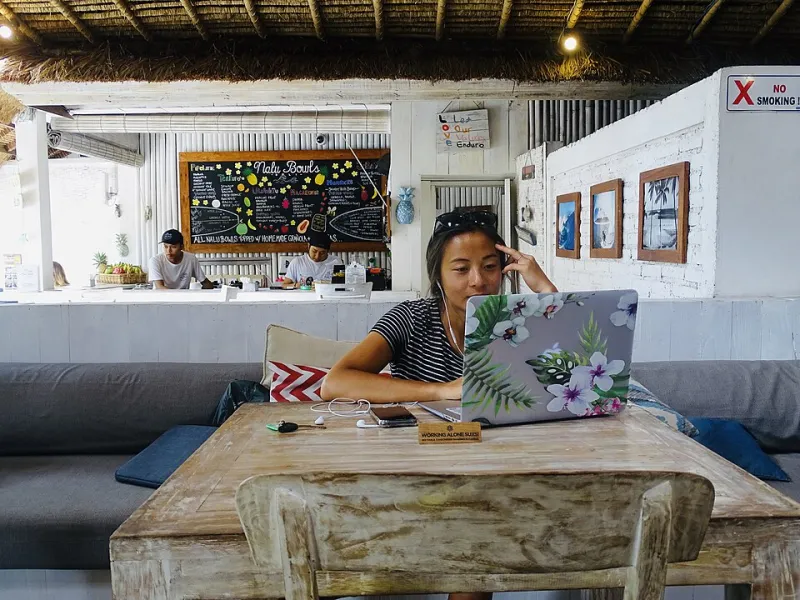
There's a certain kind of clarity that comes with sitting at a modest desk, looking out at a mountain ridge, with nothing on your schedule except the work in front of you. No commute. No open-plan office noise. No $7 oat milk latte to justify your seat. Just you, your laptop, and a to-do list that's finally getting shorter.
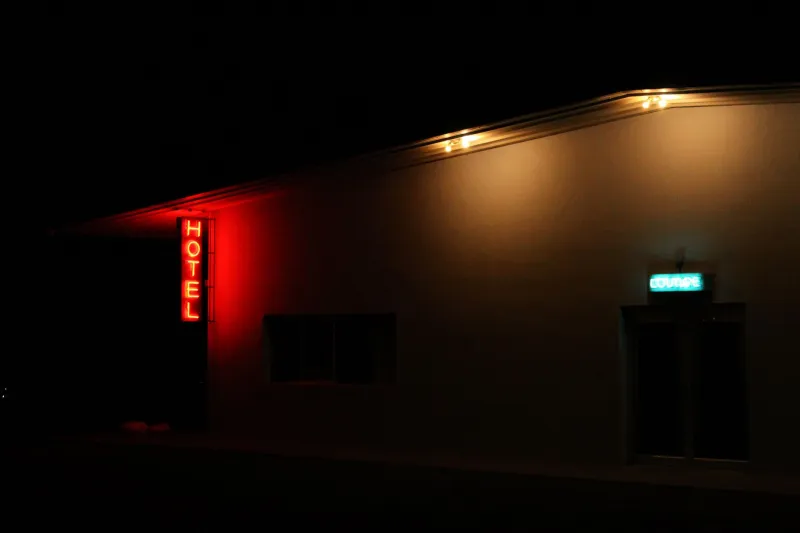
This is the reality for a growing number of solo founders, side-hustlers, and early-stage entrepreneurs who've quietly traded the startup ecosystem hype for something a lot more practical: an extended stay at a small-town motel in the mountains.
It sounds unconventional. It absolutely is. And according to the people doing it, it works remarkably well.
The Economics Nobody's Running
Let's talk numbers, because this is where the motel-as-office argument gets genuinely hard to argue with.
A co-living space in a mid-tier tech hub — think Austin, Denver, or Boulder — runs anywhere from $1,500 to $3,000 a month once you factor in the membership fee, the shared room, and whatever "community perks" they're charging you for. A dedicated desk at a trendy co-working space in those same cities? Budget another $300 to $600 on top of that.
Now compare that to a weekly rate at a well-maintained independent motel in a small Montana or Colorado mountain town. Depending on the season and the property, you're often looking at $350 to $600 per week — sometimes less in the shoulder season. That's your room, your desk, your parking, and usually your WiFi included. No membership. No community manager sending you Slack messages about the kombucha on tap.
For a bootstrapped founder watching every dollar, that gap isn't a lifestyle compromise. It's a runway extension.
Real People, Real Ventures
Take Marcus, a freelance UX designer who spent six weeks last spring working out of a motel in a small town outside Missoula, Montana. He'd been trying to save enough to go full-time on his own agency after years of working for other people's companies.
"I needed to cut my burn rate hard and fast," he says. "I was subletting my apartment in Denver, staying at a motel for under $60 a night, and I had basically no expenses. I launched my first client contracts during those six weeks. I couldn't have done it from home — there were too many distractions. The motel made it simple."
Then there's Dani, who runs an e-commerce shop selling handmade fiber arts. She spent three months rotating through small-town motels across Wyoming and Montana while she built out her Shopify store, sourced new materials from local artisans she met along the way, and grew her Instagram following by documenting the landscapes around her.
"The travel itself became part of my brand," she explains. "And the cost of living was so much lower that I could afford to not stress about money while I was figuring things out. That mental space is worth a lot when you're building something."
What Makes a Mountain Town Motel Actually Work for This
Not every roadside motel is going to cut it as a remote work base. The entrepreneurs who do this successfully tend to scout for a few non-negotiables before they book.
Reliable, fast WiFi is the obvious one — and it's worth calling ahead to ask specifically about upload speeds if you're doing video calls or uploading large files regularly. Most independently owned motels have upgraded their connectivity in recent years because they know remote workers are a real market.
A proper desk and good lighting matter more than people expect. Spending eight hours hunched over a bed with a laptop is a fast track to a bad back and worse productivity. A room with a real workspace changes the whole dynamic.
Proximity to a coffee shop or diner gives you a change of scenery when you need it — and in small mountain towns, these places tend to be genuinely good. A local diner with decent pie and free refills beats a WeWork café any day of the week.
Long-stay rates are often available but not always advertised. It's worth asking the front desk directly about weekly or monthly pricing. Many small motel operators are happy to negotiate a deal for guests who commit to longer stays, especially outside of peak tourist season.
The Mountain Towns Quietly Positioning Themselves
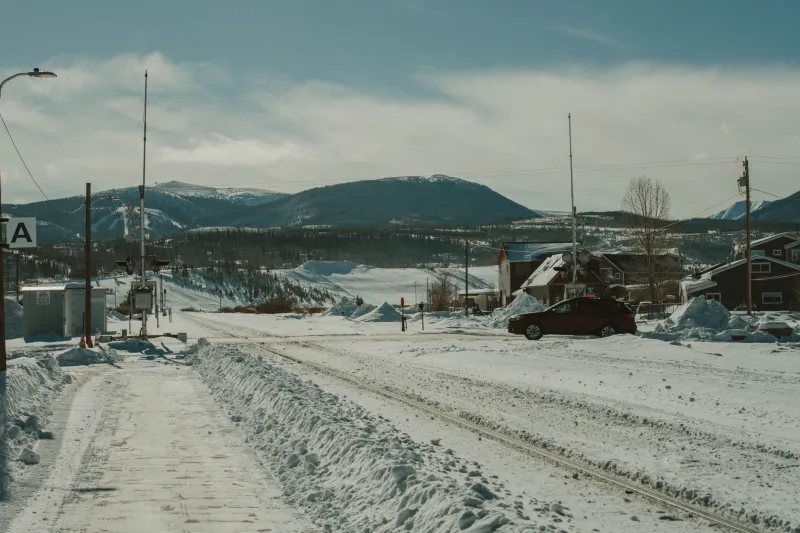
While no small town in the Rockies is branding itself as the next Silicon Valley — nor should they — a handful of mountain communities have started to recognize remote workers and location-independent entrepreneurs as a valuable economic demographic.
Towns like Livingston and Hamilton in Montana, Salida and Buena Vista in Colorado, and Lander in Wyoming have seen noticeable upticks in longer-term visitors who aren't there to ski or hike. They're there to work, and they're spending money at local restaurants, grocery stores, and hardware shops in the process.
Some motels in these areas have started quietly catering to this crowd — adding better desk setups, offering laundry facilities, and making sure their parking lots can handle someone who's going to be there for a month, not just a weekend.
The Unexpected Upside
Here's something that doesn't show up on any spreadsheet: the creative benefit of being somewhere unfamiliar and unhurried.
Every entrepreneur interviewed for this piece mentioned, unprompted, that some of their best ideas came not at the desk but on a morning walk through town, or during a conversation with a motel owner, or just from staring at a mountain for twenty minutes after dinner.
There's something about the simplicity of a small-town motel stay — no clutter, no social calendar, no pressure to be seen at the right events — that clears the mental decks in a way that's hard to replicate elsewhere.
You came to build something. And it turns out, fewer distractions and lower overhead are exactly what building something actually requires.
The mountain towns already knew that. The entrepreneurs are just catching up.