Mountain Town, Monday Morning: Why Remote Workers Are Trading City Co-Working for Motel Life
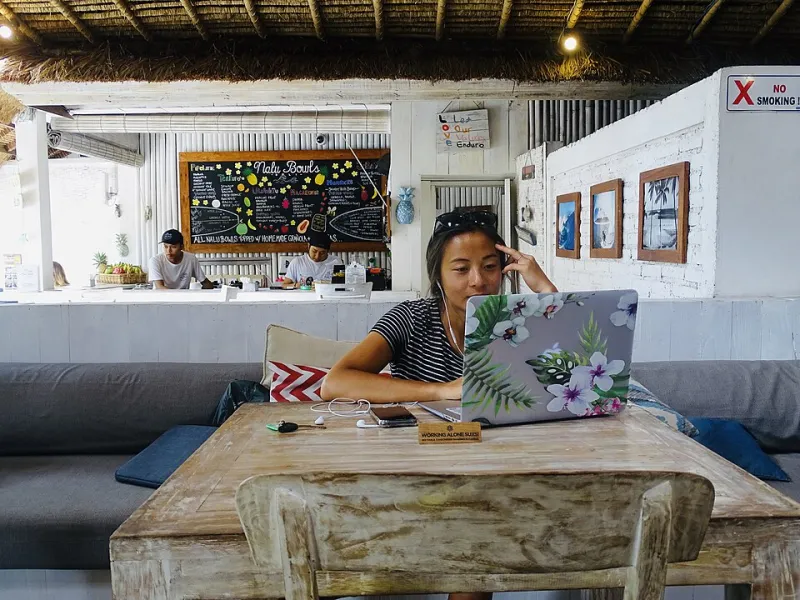
Photo: DominikaMiazek, CC BY-SA 4.0, via Wikimedia Commons
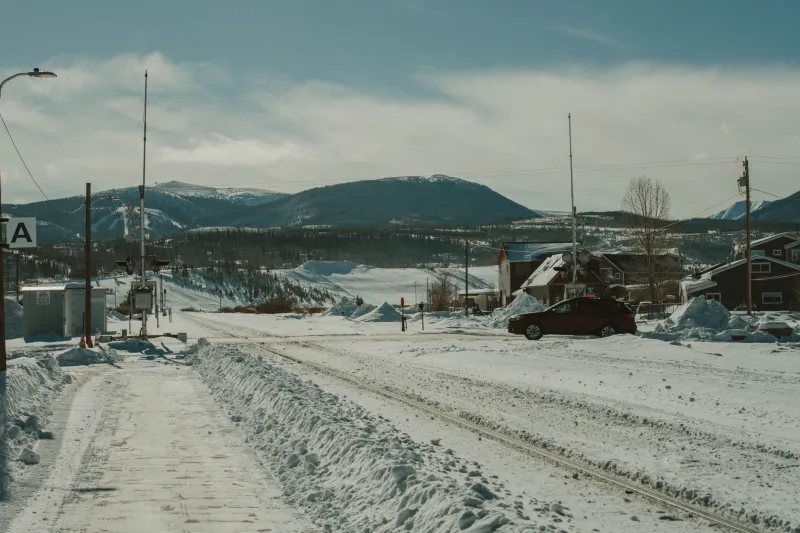
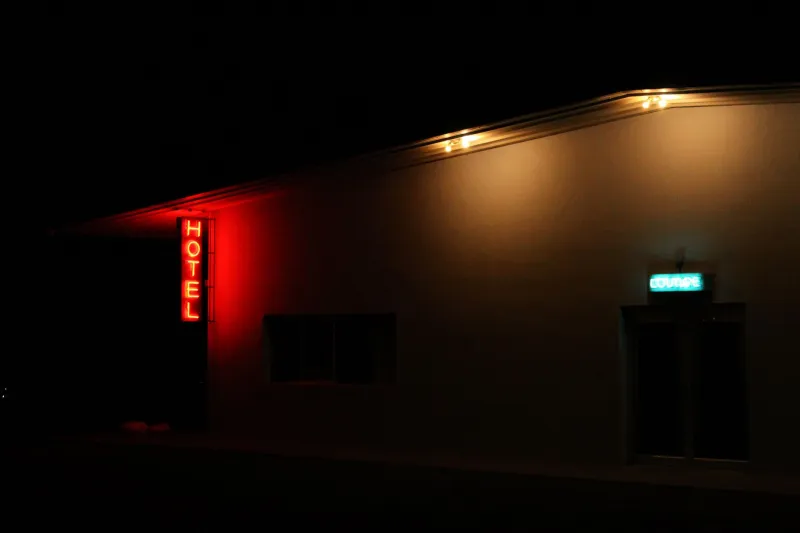
Picture your average Monday morning. In Denver or Seattle, that might mean a $35 day pass to a co-working space, a $7 oat milk latte, and an open-plan room full of noise-canceling headphones and quiet desperation. Now picture the same Monday from a motel room in a small Montana mountain town — coffee from a drip maker on the nightstand, a view of pine-covered ridgelines out the window, and a weekly rate that doesn't make your stomach drop.
That second scenario isn't a fantasy. It's a growing reality for a wave of remote workers who are rethinking what a "home base" actually needs to look like.
The Numbers Don't Lie
Since remote work became a permanent fixture for millions of Americans, the conversation about where to work has opened up in ways that weren't imaginable a decade ago. Early adopters chased beach towns and mountain resort areas — and quickly discovered that "affordable remote work destination" and "trendy destination" rarely coexist for long. Rents in places like Bozeman and Bend shot up almost overnight.
But the small towns just outside the spotlight? Those held steady. And the motels in those towns — places that have always catered to hunters, road-trippers, and seasonal workers — started noticing something new. Guests were staying longer. Way longer.
"We had a woman check in for what was supposed to be four nights," says the owner of a small roadside motel in a rural mountain community in western Montana. "She ended up staying six weeks. She was a freelance designer, working on a big contract. Said she got more done here than she had in months back home."
That story isn't unusual anymore.
What a Motel Actually Offers the Remote Worker
On paper, a motel room sounds like a compromise. No standing desk. No dedicated office. No cold brew on tap. But remote workers who've tried it describe a different kind of math.
First, there's cost. A weekly rate at a no-frills mountain motel can run anywhere from $350 to $600 in many small communities — a fraction of what a furnished short-term rental or co-working membership costs in a mid-size city. For someone working a steady remote job, that kind of savings adds up fast.
Then there's the simplicity factor. Without a full apartment to manage, grocery runs become straightforward. Without a social calendar tied to a city neighborhood, evenings open up. Several long-term motel guests describe a kind of productive monotony that actually works in their favor — fewer decisions, cleaner routines, sharper focus.
"I brought a portable monitor, a folding laptop stand, and a decent travel router," says Marcus, a project manager from Chicago who spent two months at a small Montana motel last winter. "I set up at the desk by the window every morning at 7:30. My output was honestly the best it's been in years. There's just nothing competing for your attention."
Motel Owners Are Adapting — Quietly
The motel owners who are leaning into this trend aren't overhauling their properties or rebranding as "remote work retreats." They're making small, practical adjustments that go a long way.
Better Wi-Fi is the obvious one. Several independent motel operators in rural mountain communities have upgraded their internet infrastructure specifically because longer-staying guests made it a deal-breaker. Some have added a dedicated work-friendly corner to common areas. Others have started offering monthly rates that weren't previously advertised — you just had to ask.
"We don't advertise it as a co-working thing," says one motel manager. "But if someone calls and says they need to stay for a month and they need reliable internet, we figure it out. It's good for them and it's good for us — especially in the shoulder season when rooms might otherwise sit empty."
That last point matters. Extended remote worker stays are quietly filling a gap that used to leave small-town motels struggling between peak tourism seasons. A guest who stays for six weeks in October is more valuable to a small operation than a parade of weekend visitors who need constant turnover and extra housekeeping.
What It Does for the Town
The ripple effect on local economies is real, even if it's modest. Remote workers who settle in for weeks at a time start spending like locals — at the diner down the street, the hardware store, the laundromat, the one bar that has decent whiskey and a pool table. They become temporary regulars, and that matters in a small town.
"The guy who stayed with us for two months last spring became a regular at the café next door," one motel owner recalls. "He told me he recommended the town to three other people he knew who were also working remotely. Two of them actually came."
That informal word-of-mouth network is doing something that no tourism campaign could manufacture — it's sending people to places they never would have searched for on their own.
Making It Work: Tips From the People Already Doing It
If you're curious about trying long-term motel life as a remote work setup, the people who've already done it have some practical advice:
- Call ahead and ask about extended rates. Most small motels don't list these online, but many will negotiate for a week or longer.
- Bring your own ergonomic gear. A travel laptop stand, a wireless keyboard, and a small portable monitor make a huge difference over multiple weeks.
- Test the Wi-Fi before you commit. Ask the front desk to run a speed test or check recent reviews that mention connectivity.
- Pick a town with at least one decent coffee shop or diner. You'll want somewhere to change your scenery mid-week without losing your work groove.
- Lean into the location. The whole point of working from a mountain town motel is the mountain town. Block your calendar for a few hours on weekday afternoons and actually use them.
The Bigger Picture
This isn't a movement with a manifesto or a hashtag. It's quieter than that — individual people making practical decisions that happen to add up to something meaningful. Remote workers are finding that small-town motel life offers something that trendy co-working spaces and expensive short-term rentals don't: a genuine change of context, at a price that doesn't require justification.
And the mountain towns on the receiving end? They're getting a slow, steady infusion of new faces, new spending, and new energy — without the growing pains that come with being "discovered" all at once.
That's a trade worth making for everyone involved.