Staying Small Is the Greenest Thing You Can Do: How Budget Mountain Motels Are Quietly Leading the Eco-Travel Revolution

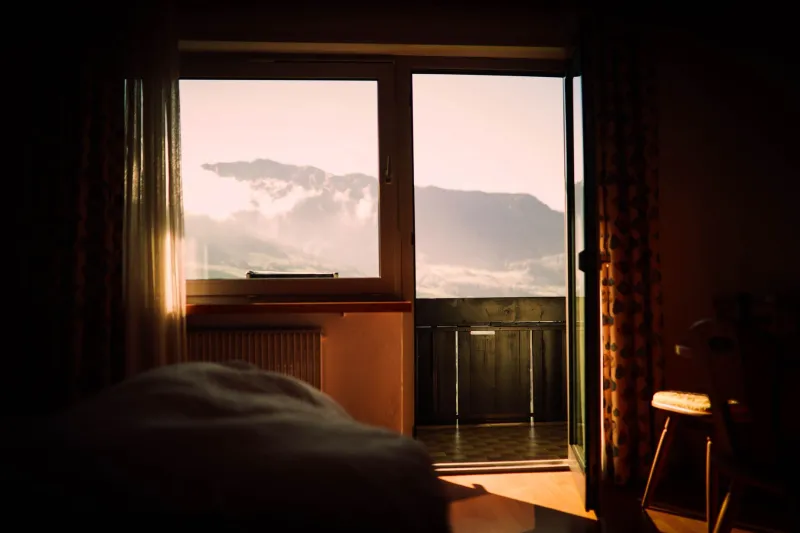
Photo by Photo by Andres Gavino on Unsplash on Unsplash
Let's be honest about something. The travel industry has gotten really good at selling sustainability. Solar panels on the lobby roof. Locally foraged menu items printed on recycled cardstock. A little placard by the sink asking you to hang up your towel to "save the planet." It's well-intentioned, mostly. But somewhere between the branding and the $350-a-night rate, something gets lost.
Meanwhile, a two-story cinder-block motel on the edge of a mountain town in central Montana is doing something genuinely interesting. Not because anyone planned it that way. Not because a consultant flew in with a sustainability framework. But because small, lean, and local has always been how places like this survive.
And travelers who are paying attention are starting to notice.
The Accidental Sustainability of the Small Motel
Here's a simple truth: a motel with 18 rooms uses a fraction of the resources of a 200-room hotel. That's not a philosophy. That's just math.
Smaller buildings mean less energy to heat and cool. Fewer rooms mean less laundry, less water, less waste. No resort pool. No conference center running on electricity around the clock. No fleet of golf carts. When amenities are limited by necessity rather than design, the environmental footprint shrinks accordingly.
But it goes deeper than square footage.
Many small-town motel owners source their supplies locally out of pure practicality. The woman running a 12-room property outside of Whitefish, Montana isn't driving two hours to a big-box wholesale club every week if she can buy eggs from the farm down the road and coffee from the roaster on Main Street. That's not a marketing decision. That's common sense. And it happens to align perfectly with what sustainability advocates have been preaching for years.
The Zero-Frills Equation
One of the biggest contributors to waste in the hospitality industry is the amenity arms race. Miniature shampoo bottles. Single-use coffee pods. Individually wrapped soaps. Plastic cups sealed in plastic wrap. The more luxurious the property, the more disposable packaging tends to come with it.
Budget motels have always operated differently. A bar of soap. A coffee maker with a reusable filter. A couple of towels that get washed when you check out. There's no mini-bar stocked with individually wrapped snacks. No gift shop full of branded merchandise wrapped in tissue paper.
What looks like a lack of amenities is actually a dramatically reduced waste stream. And for travelers who've started to feel genuinely uncomfortable with the disposable excess of traditional hotel stays, a simple room starts to feel like relief rather than compromise.
Local Dollars, Local Impact
Sustainable travel isn't just about carbon footprints and recycling bins. It's about economic sustainability too—keeping communities alive, keeping dollars circulating close to where they're spent.
When you stay at a corporate chain, a significant portion of your nightly rate leaves the community almost immediately. Franchise fees. Centralized purchasing. Corporate overhead. The local economy sees some of it, but not most of it.
At a family-owned mountain motel, the math is different. The owner lives in town. The housekeeper lives in town. The handyman who fixes the heater in Room 7 every November lives in town. The money you spend tends to stay in the valley, cycling through local businesses in ways that larger properties simply can't replicate.
That's a form of sustainability that doesn't get talked about enough. Communities that stay economically viable don't get bulldozed for condos. Local businesses that survive don't get replaced by chains. The texture of a real American mountain town—the diner, the hardware store, the family motel—depends on travelers choosing to spend their dollars there.
Slower Travel, Smaller Footprint
There's also something to be said about how budget motel travel changes the way people move through a place.
When you're staying somewhere simple and affordable, you tend to slow down. You're not rushing to justify the cost of a premium resort by cramming in every activity on the property. You're not eating every meal at the hotel restaurant because it's convenient and included. You're walking to the coffee shop. You're asking the front desk where locals actually eat dinner. You're spending an afternoon at a state park instead of a ticketed attraction.
This kind of travel is inherently lighter. Less driving, less spending on packaged experiences, more time just being somewhere. Environmental researchers who study tourism consistently find that slower, more locally embedded travel generates less impact per day than high-speed, high-consumption tourism—even when the slower traveler stays longer.
What "Authentic" Actually Costs
The travel industry has spent years trying to sell authenticity as a premium product. Boutique hotels with carefully curated local art. Guided "off-the-beaten-path" tours that cost $200 a person. Instagrammable mountain lodges designed to look rustic while offering every possible comfort.
The thing is, authenticity was never a premium product. It's what was always there before the premium layer got added.
A budget motel in a small mountain town is authentic because it has to be. The owner can't afford not to know their neighbors. The building can't pretend to be something it isn't. The coffee comes from somewhere real because there's no other option. That's not curated. That's just life in a small place.
And for a growing number of travelers, that's exactly what they came for.
The Choice That Actually Matters
Nobody's saying a roadside motel is perfect. The insulation might not be great. The lighting is probably incandescent. There are real improvements that small properties could make, and many are making them—LED bulbs, low-flow fixtures, recycling bins in the parking lot.
But if you're a traveler who genuinely cares about the impact of your trip, the most powerful choice you can make isn't picking the hotel with the most impressive green certification. It's staying somewhere small, local, and community-connected.
Stay in the mountain town. Eat at the diner. Buy your snacks at the family-owned gas station. Sleep in the simple room and leave the towel on the rack.
You'll spend less money, leave a lighter footprint, and probably have a better story to tell when you get home. That's not a bad deal for $60 a night.