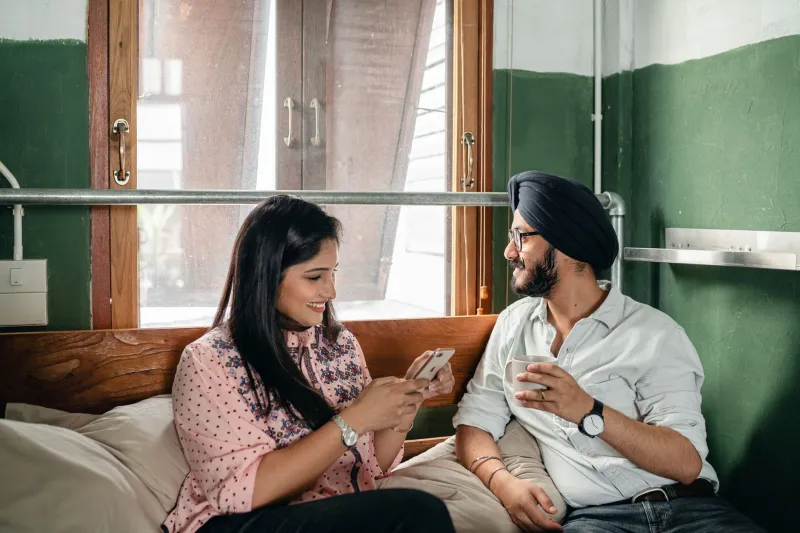
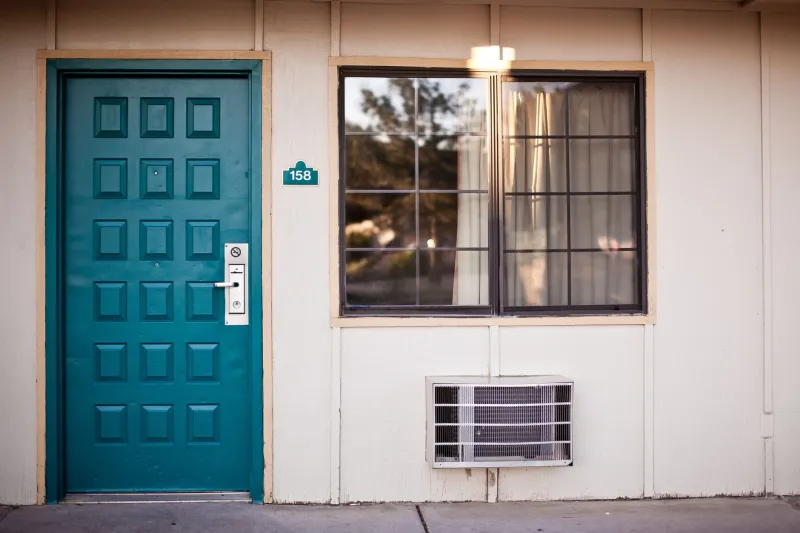
Same Coffee, Same Chair, Same Feeling: The Secret Life of Traveler Rituals in Small-Town Motels
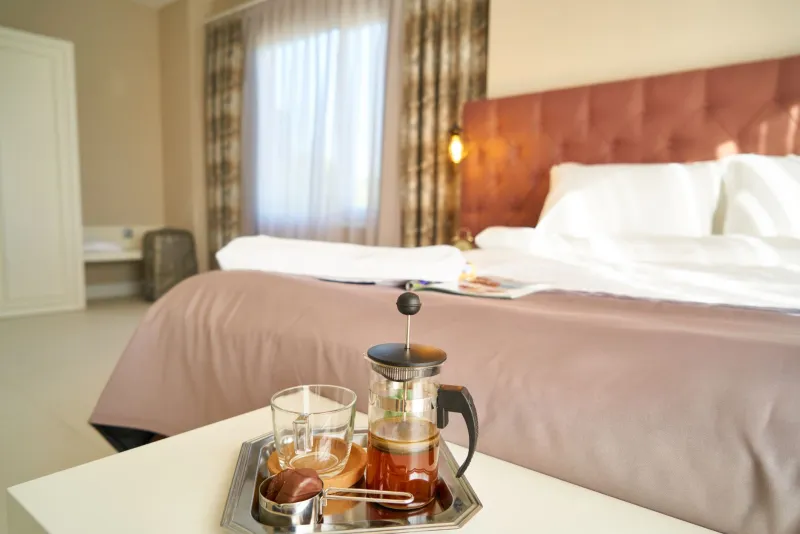
The first thing Sandra does when she checks into the same Bozeman-area motel she's visited every August for the past nine years is open both windows, even if it's cold outside. Then she unpacks her toiletries in the exact same order. Then she sits on the edge of the bed and just... breathes.
"It sounds ridiculous," she says, laughing a little. "But if I don't do those things, the trip doesn't feel like it's started."
She's not alone. Talk to frequent motel guests — the kind who return to the same small-town properties season after season — and you start hearing versions of the same story. A particular booth at the diner across the street. A walk taken at exactly 7 a.m. before anyone else is up. A specific order at the front desk vending machine. Little ceremonies, repeated faithfully, that have nothing to do with the destination itself and everything to do with how the traveler chooses to arrive.
These micro-rituals are more common than you'd think. And in the context of budget travel — where the rooms are simple, the settings are genuine, and the pace is slow enough to actually notice what you're doing — they take on a kind of quiet power.
Why Simple Rooms Make Space for Big Habits
There's something about a no-frills motel room that strips away the noise. No turndown service. No curated mini-bar. No ambient playlist selected by a hospitality consultant. Just a bed, a dresser, maybe a desk, and a window that looks out onto a mountain or a main street or a parking lot full of trucks with fishing gear in the back.
That simplicity, it turns out, is exactly what ritual needs to take root.
In busier, more stimulating environments — resort hotels, boutique properties, vacation rentals packed with someone else's personality — there's too much competing for your attention. But in a clean, quiet motel room in a small mountain town, the environment isn't trying to impress you. It's just there. And into that open space, travelers pour their own meaning.
The first cup of coffee made from the in-room machine, even if it's mediocre. The habit of leaving one lamp on all night. The way you always sleep on the same side of the bed even when no one's sharing it. These aren't accidents. They're anchors.
The Geography of Personal Ceremony
What's interesting about motel rituals is how place-specific they become. It's not just that someone always drinks coffee in the morning — it's that they drink it standing at that particular window, looking at that particular ridge line, at roughly that particular time. The ritual is inseparable from the location.
This is actually one of the underappreciated gifts of returning to the same small-town motel year after year. The room becomes a kind of memory palace. You walk in and your body remembers things your mind has half-forgotten. The way the light hits the wall in late afternoon. The sound of the ice machine down the hall. The smell of pine that drifts in if you crack the bathroom window.
For families, these rituals become intergenerational almost without anyone planning it. Kids who grew up watching their parents do the same things every summer start doing them too. The annual stop at the same gas station diner on the drive in. The tradition of letting the youngest kid pick the room number if there's a choice. The habit of writing the family's initials somewhere small and hidden, continued across decades.
These are the kinds of travel memories that don't photograph well. They're felt, not documented.
What Rituals Actually Do for Travelers
Psychologists who study habit and routine will tell you that rituals — even small, seemingly arbitrary ones — reduce anxiety and increase a sense of control. In the context of travel, where so much is unfamiliar and unpredictable, that matters a lot.
A motel stay in an unfamiliar mountain town can feel disorienting at first. You don't know the roads. You don't know the locals. You're not sure where to eat or what the weather will do. But if you've developed a check-in ritual — even something as simple as always unpacking your bag completely before doing anything else, or always taking a ten-minute walk before dinner — you've created a portable sense of home.
That's the real function of these habits. They're not superstitions. They're not quirks. They're the way a traveler says to themselves: I know how to be here. I've done this before. I'm okay.
And in small-town motels, where the staff often recognizes returning guests and the community moves at a pace that rewards presence over performance, those rituals get reinforced in lovely ways. The owner who already knows you take your key with the room closest to the parking lot exit. The housekeeper who leaves an extra pillow because she remembers you mentioned it three years ago. The diner waitress who starts your coffee order before you sit down.
Building Your Own Rituals on the Road
If you've never thought intentionally about your travel rituals, a small-town motel stay is actually a great place to start. Here's the thing — you don't have to manufacture them. The best ones develop organically. But you can create conditions that make them more likely.
Slow down your arrival. Instead of checking in and immediately pulling up your phone to find dinner, take fifteen minutes to just exist in the room. Look out the window. Notice what you notice.
Pick one small, repeatable action to anchor your mornings. It doesn't have to be profound. It just has to be yours. Maybe it's making coffee before you check any messages. Maybe it's sitting outside for five minutes no matter the weather. Maybe it's writing one sentence in a notebook about where you are and how you feel.
Let the place teach you its rhythms. Small mountain towns have their own pace — early risers, quiet evenings, a Main Street that actually goes quiet after nine. Tune into that instead of fighting it, and you'll find your rituals start to match the place.
And if you find a motel that feels right — the kind of place where the room smells like clean linens and the owner waves from the office window when you pull in — go back. Go back next year and the year after. Let the ritual deepen.
The Most Meaningful Souvenirs Aren't For Sale
People spend a lot of money trying to make travel feel significant. They book the fanciest room, plan the most Instagrammable hike, eat at the most talked-about restaurant. And sometimes that works. But often, the moments that stick — the ones that get told at dinner tables years later — are quieter than that.
They're the rituals. The habits. The small ceremonies a traveler builds over time in a plain room with good windows and a view of something that doesn't ask anything of you.
That's what budget travel in mountain towns can give you, if you let it. Not just a cheap place to sleep, but a place to become someone who travels with intention. Someone who knows, without thinking about it, exactly what they do first when they walk through the door.
There's a lot of value in that. More than most travel experiences that cost ten times as much.