Why the Room You Book Says More About You Than Your Instagram Feed Ever Could

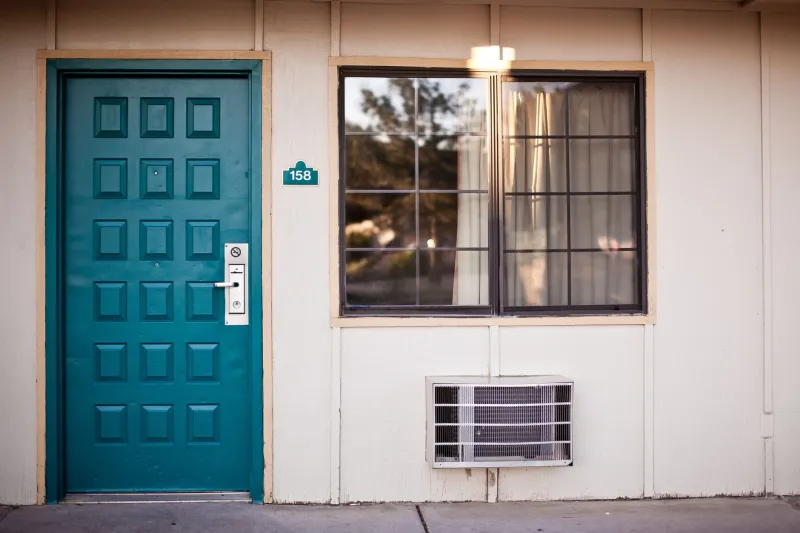
There's a moment every traveler knows. You're staring at a booking screen, cursor hovering somewhere between the polished resort with the rooftop pool and the no-frills roadside motel with the hand-painted sign and the $79 rate. You tell yourself it's a practical decision. It never is.
The room you choose is a kind of self-portrait. It reflects your tolerance for uncertainty, your relationship with comfort, and — maybe most honestly — what you're actually running toward when you leave home. That choice is worth sitting with for a minute.
The Resort Myth and Why Some Travelers Are Done With It
American vacation culture spent decades building a very specific dream: the all-inclusive, the luxury chain, the experience that removes every rough edge and delivers something smooth, predictable, and photographable. For a while, that dream sold itself pretty well.
But something shifted. You can feel it in the way people talk about travel now — a creeping dissatisfaction with trips that felt expensive but hollow, where the most memorable moment was the airport delay on the way home. The resort had taken care of everything, and somehow that was the problem.
Choosing a budget motel — especially a small-town, independently run one — is increasingly a conscious rejection of that model. It's not just frugality. It's a statement that you'd rather have a real experience than a managed one. That you're okay with a little friction if it means something genuine is waiting on the other side of it.
What Comfort Avoidance Is Actually Telling You
Here's something that doesn't get talked about enough: some travelers deliberately choose simpler accommodations because luxury makes them uncomfortable. Not financially — philosophically.
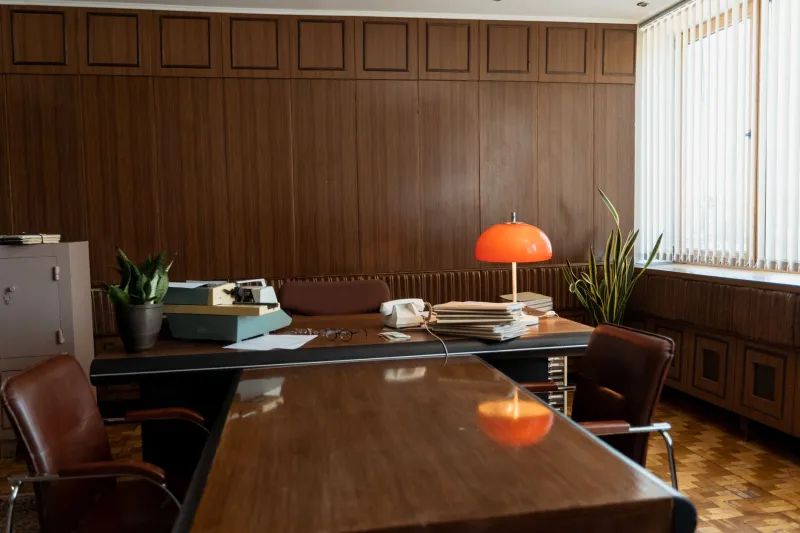
There's a subset of American travelers who feel vaguely guilty in high-end spaces. The marble lobby, the staff who seem to anticipate your every move, the menu with no prices — it can all feel like a performance you didn't audition for. The budget motel, by contrast, asks nothing of you. You park, you check in, you close the door. Nobody's curating your experience. Nobody's waiting to be impressed.
For those travelers, the bare room isn't a compromise. It's a relief.
This isn't self-flagellation. It's actually a pretty healthy instinct — a preference for spaces that don't require you to perform a version of yourself you don't quite believe in. The stripped-down motel room is, in that sense, one of the more honest environments you can put yourself in.
The Authenticity Question
Ask most travelers what they want from a trip and "authenticity" comes up fast. But authenticity is a slippery word. It gets co-opted by marketing copy so quickly that it's hard to know what it means anymore.
When someone books a room at a small-town motel in a mountain community rather than a curated boutique property, they're usually chasing something specific: contact with a place as it actually is, not as it's been staged for visitors. They want the diner where the locals eat, not the farm-to-table concept designed to make tourists feel like locals. They want the front desk clerk who grew up in this valley and knows which trailhead gets muddy after rain.
The motel room itself becomes a kind of access point. It's affordable enough that you're not trying to justify the cost by staying in. It's simple enough that the room doesn't become the destination. It puts you out in the town, in the landscape, in the actual place — which is where the good stuff is anyway.
Budget Lodging as a Sustainability Statement
It's worth noting that the traveler who gravitates toward independent budget motels is often — consciously or not — making a lower-impact choice. Smaller properties, older buildings, locally owned operations: these tend to have lighter footprints than the resort complexes that reshape entire ecosystems to build their pools and golf courses.
That's not a guilt trip aimed at resort guests. It's just an observation that values around travel are changing, and sustainability is part of that shift. A growing number of American travelers, particularly younger ones, are thinking about where their money goes when they book a room. Does it flow to a corporate headquarters three states away, or does it stay in a mountain town where a family has been running the same motel for forty years?
For those travelers, the budget motel isn't a sacrifice. It's the more aligned choice.
The Traveler Who Books the Cheap Room on Purpose
There's a specific kind of confidence in the traveler who books the inexpensive room without apology. They've usually been around enough to know that the quality of a trip has almost nothing to do with the thread count of the sheets. They've had transcendent experiences in rooms with questionable carpet and they've had forgettable ones in rooms with ocean views.
They've learned to spend their money on the things that actually matter — the meal, the guide, the detour, the extra day. The room is just where they sleep, and they'd rather keep that part cheap so the rest of the trip can breathe.
This is a kind of travel wisdom that doesn't get celebrated much, because it doesn't photograph well and it doesn't sell luxury packages. But it's real, and it's increasingly common.
What the Mountain Motel Knows
Out here in small-town Montana and across the rural mountain West, the independent motel has been quietly holding space for a certain kind of traveler for a long time. The kind who shows up without a full itinerary. The kind who asks the person at the front desk where to eat instead of consulting an algorithm. The kind who sits outside the room in the morning with a cup of bad coffee and watches the light change on the peaks and thinks: yeah, this is exactly right.
That traveler isn't choosing the budget motel because they couldn't afford something nicer. They're choosing it because they've figured out something that takes some people years to learn: the room isn't the trip. The place is the trip. The people are the trip. The moment you stop trying to optimize your accommodations and start paying attention to where you actually are — that's when travel starts doing what it's supposed to do.
Your lodging choice is a mirror. And if it's reflecting back a parking lot view, a hand-lettered vacancy sign, and a room that asks nothing of you except to get out there and see something real — well, that might just be the clearest picture you've seen in a while.